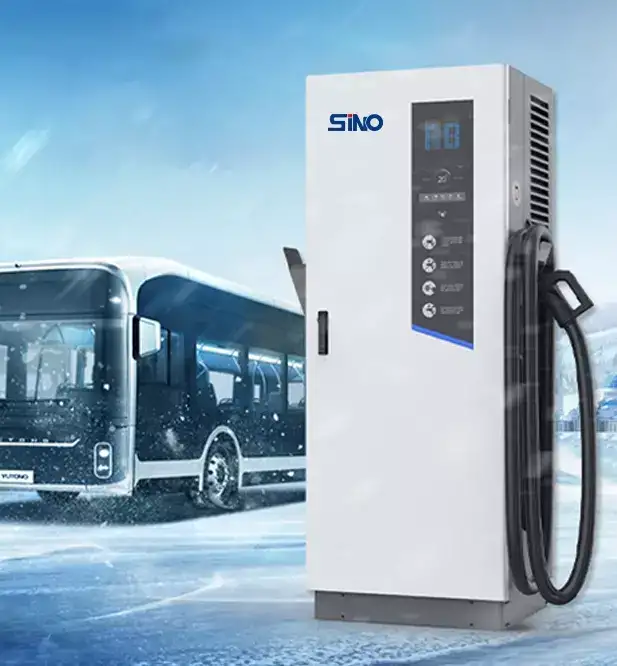
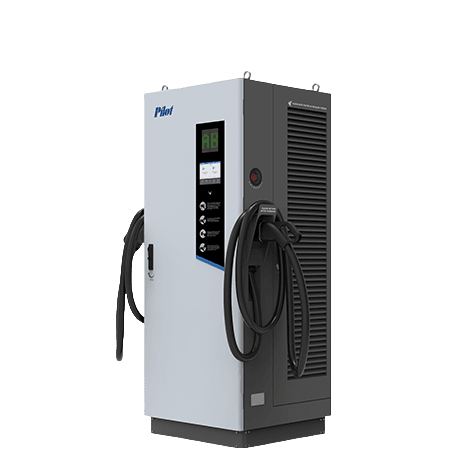
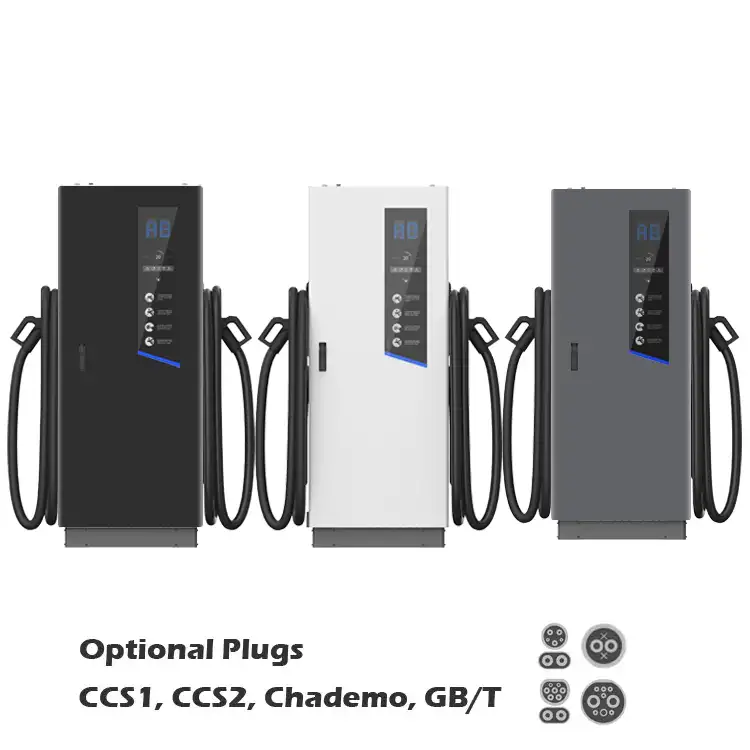
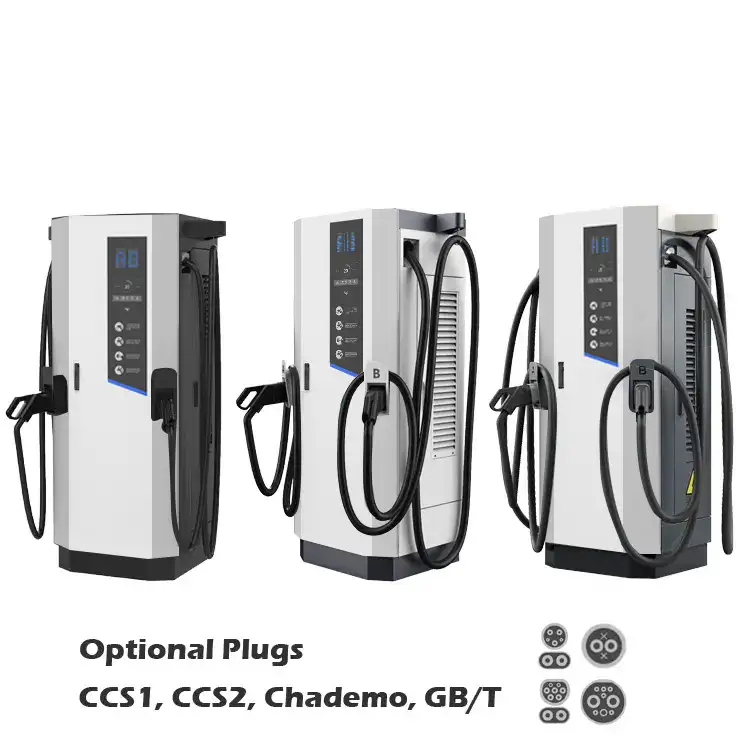
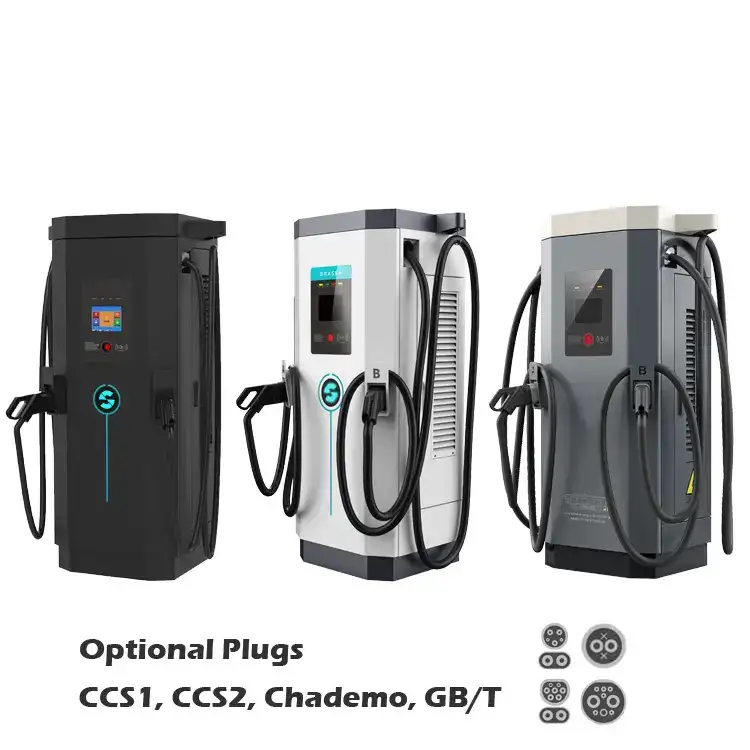
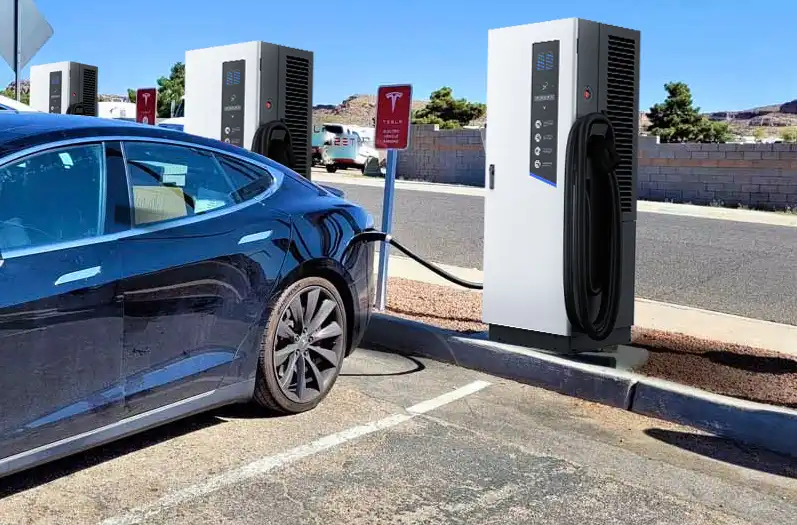
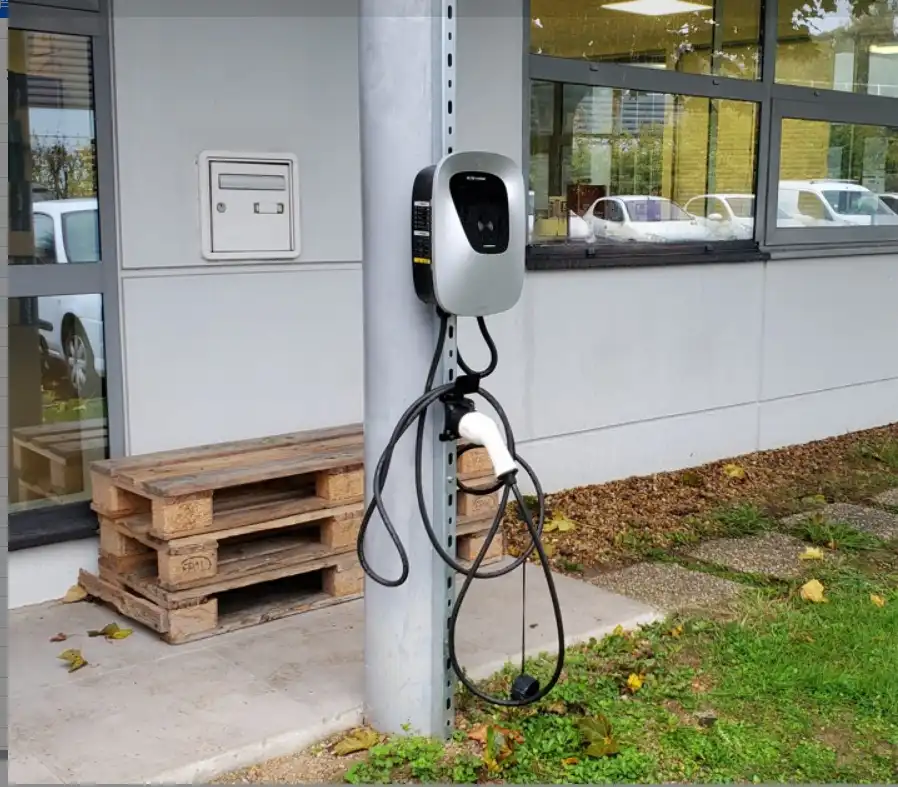
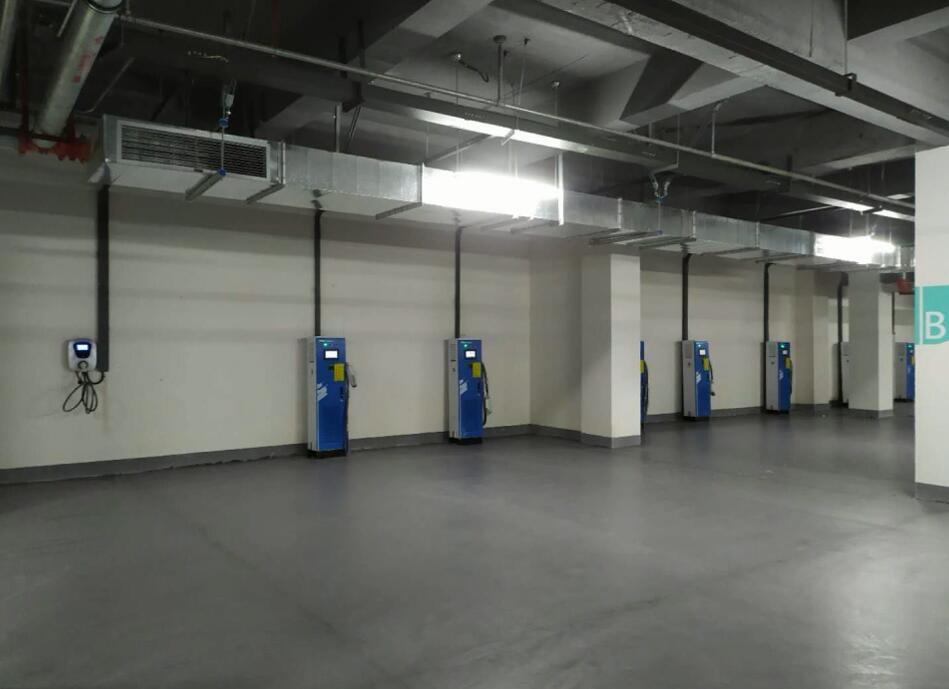
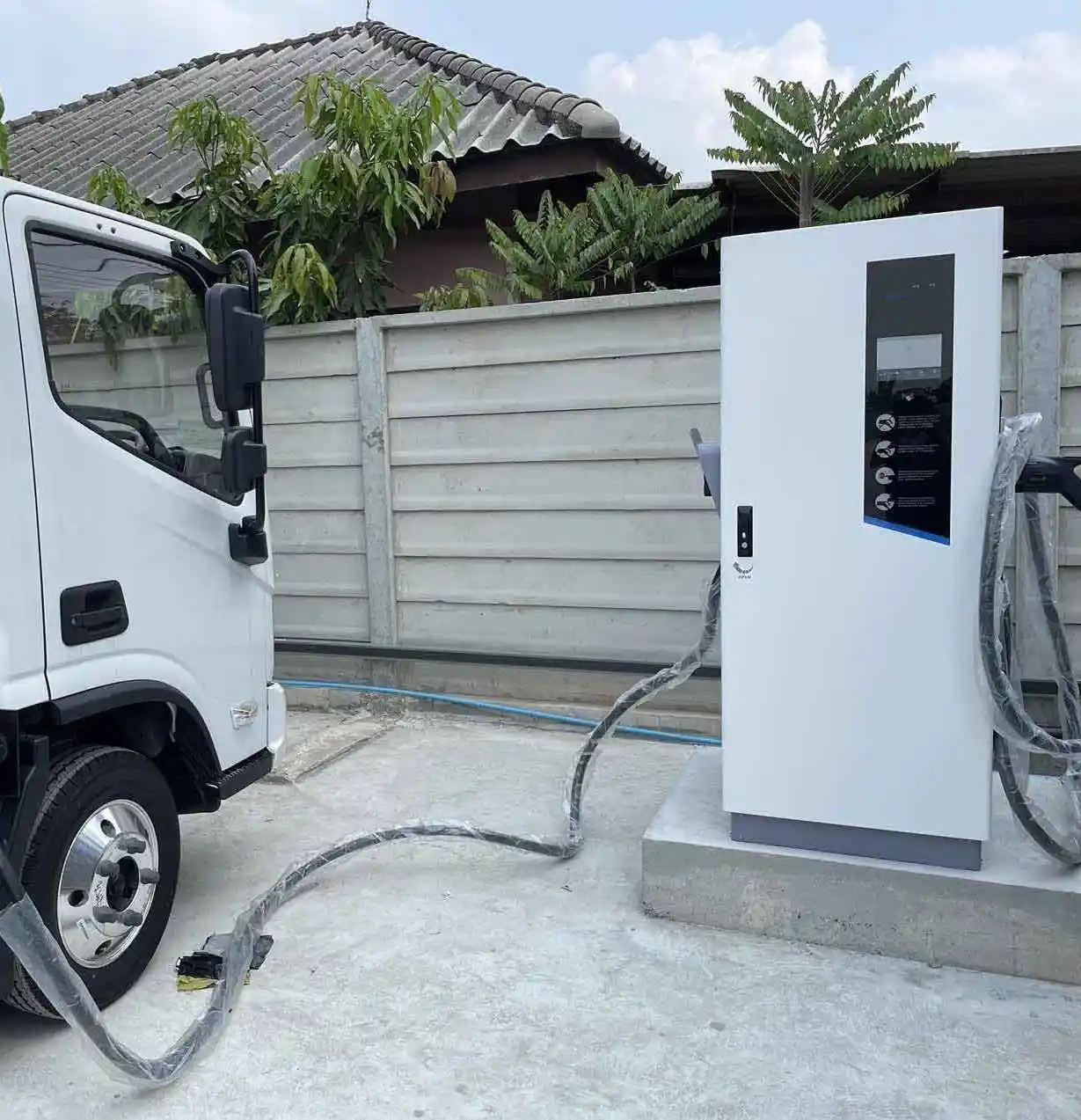
Pilot Business Level 3 DC EV Charger PEVC3107 60kW-160kW

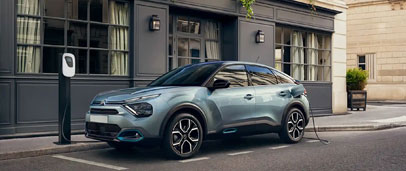
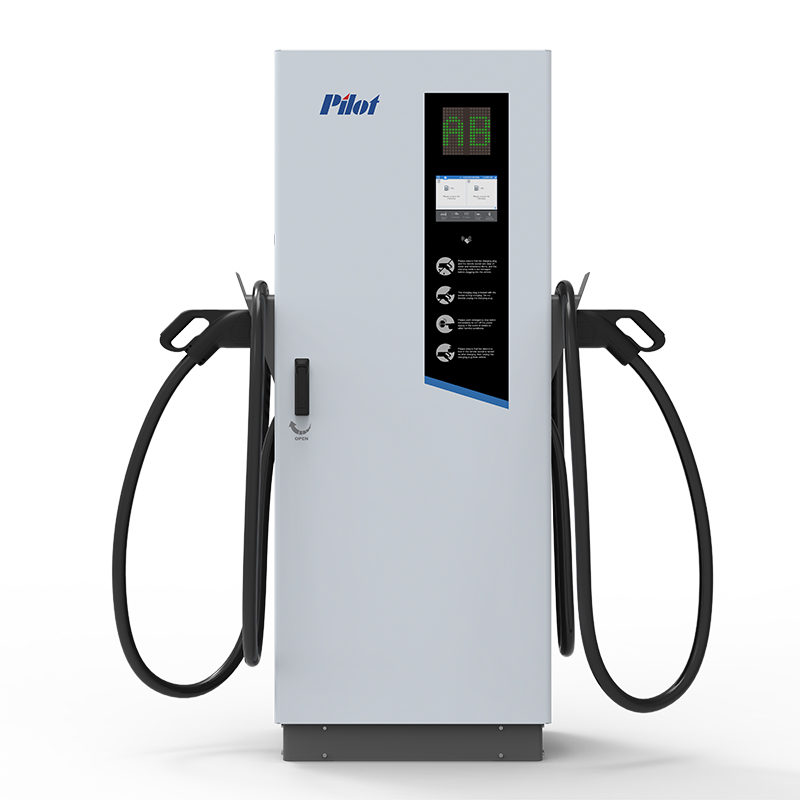
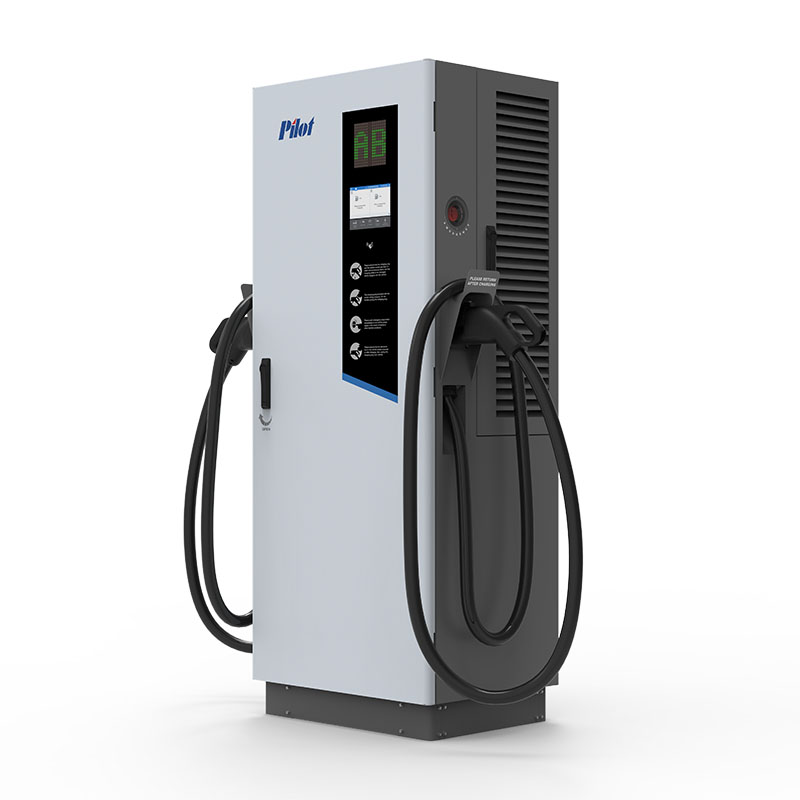
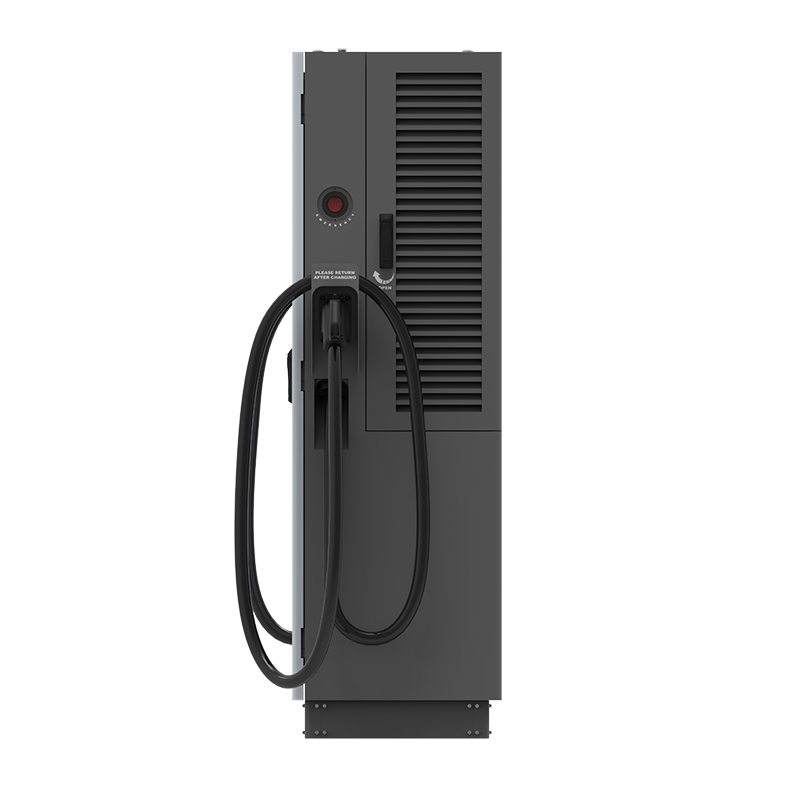
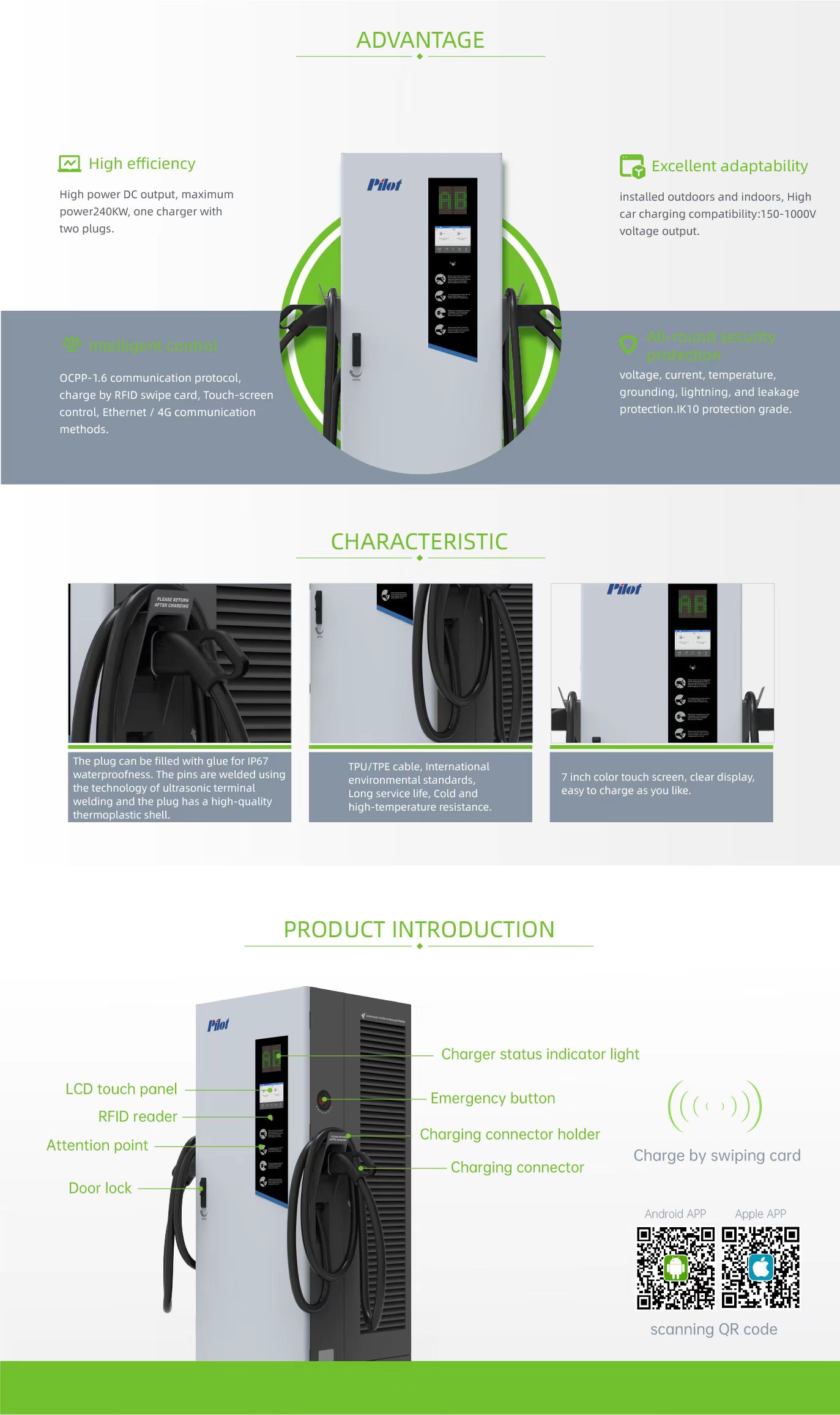
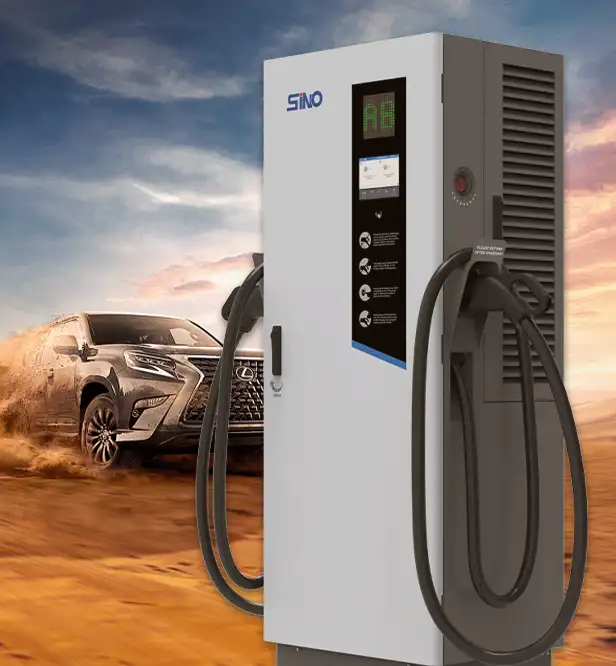
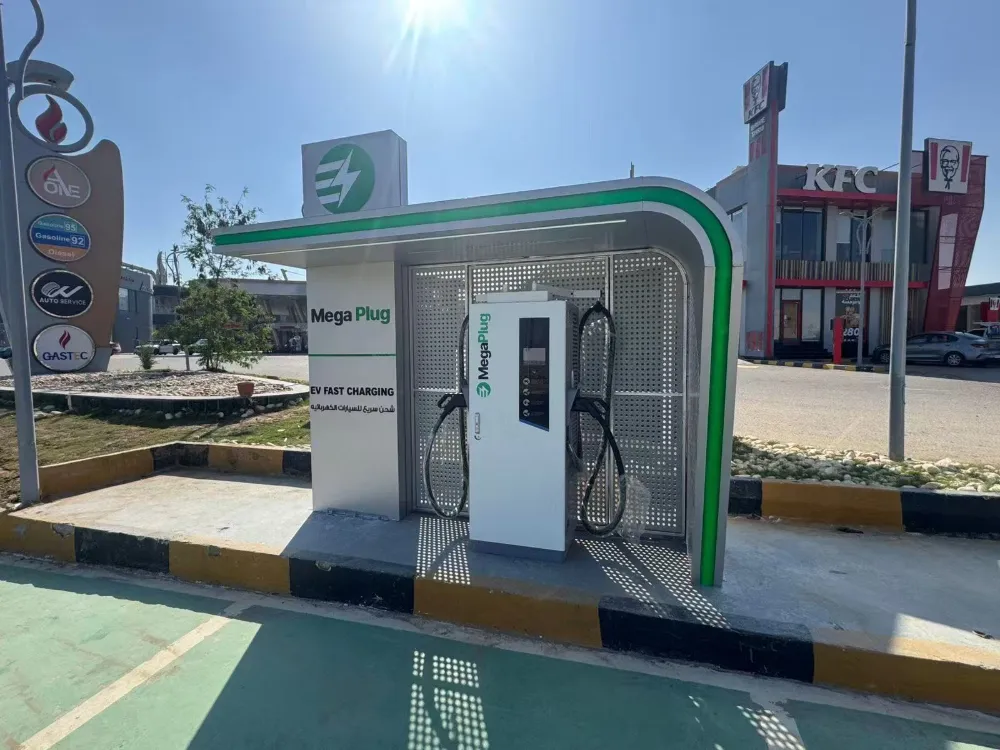
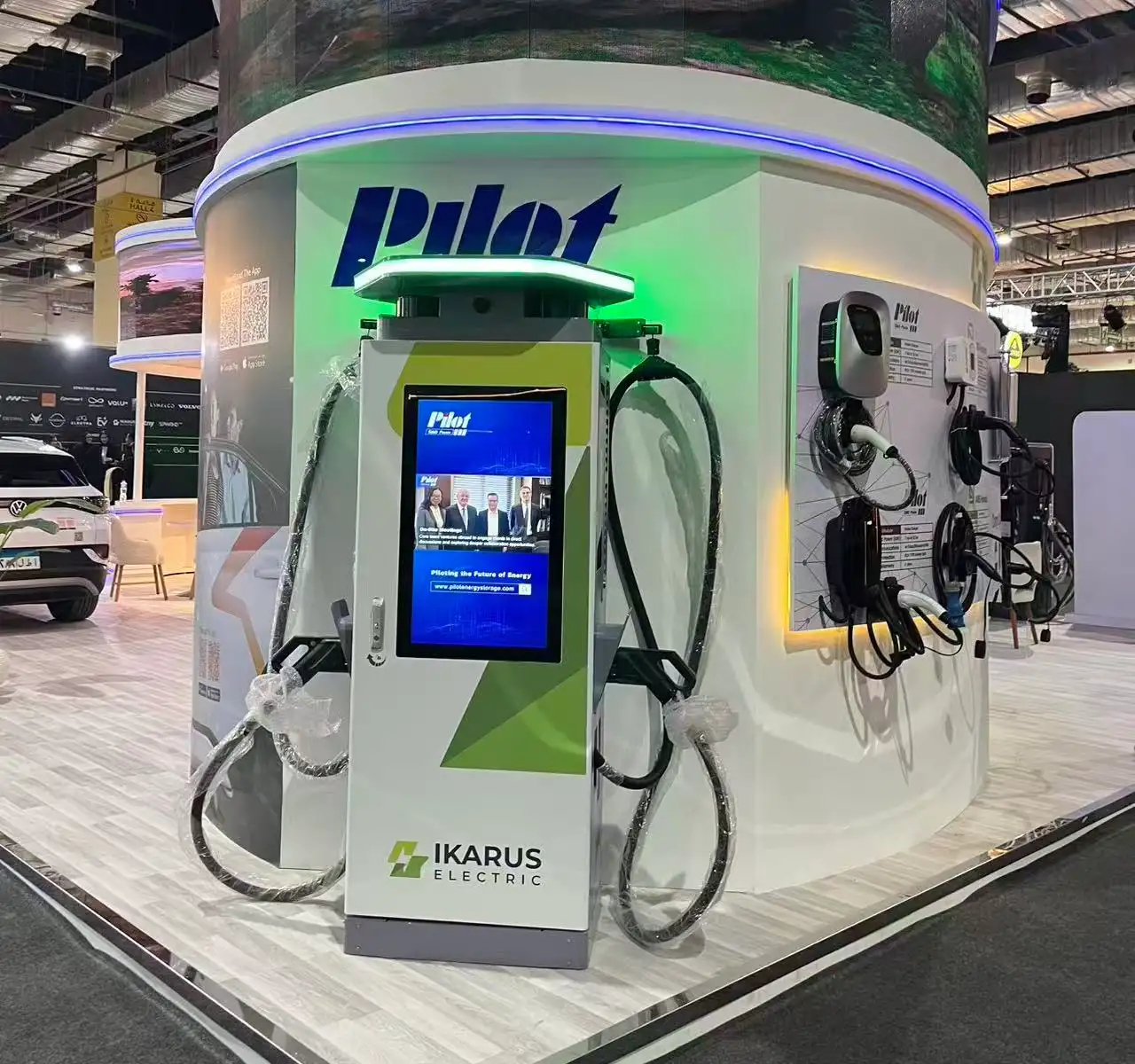
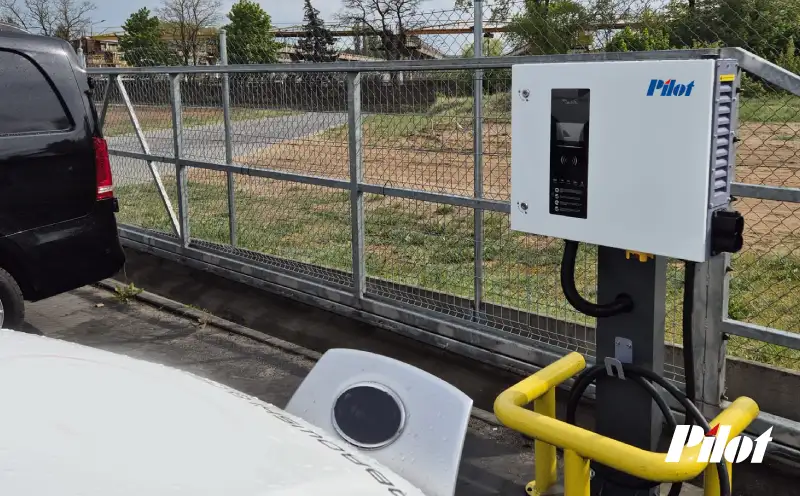
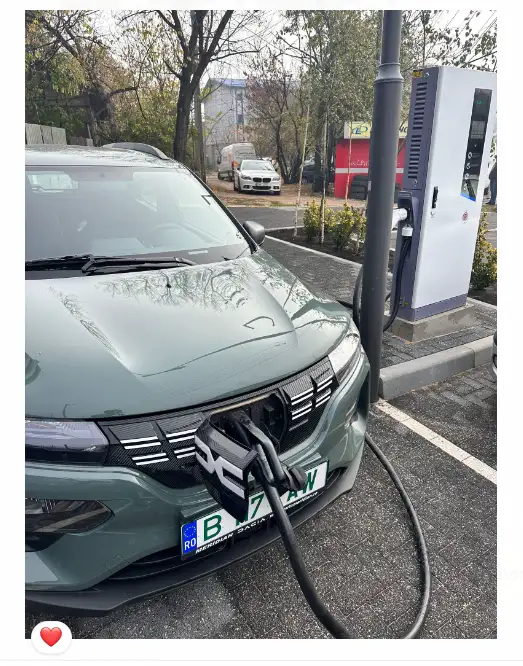
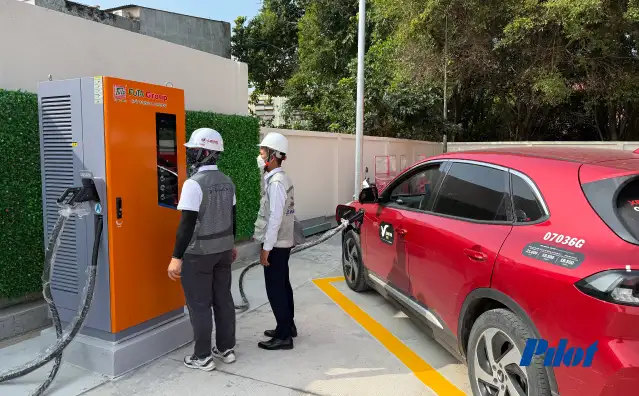
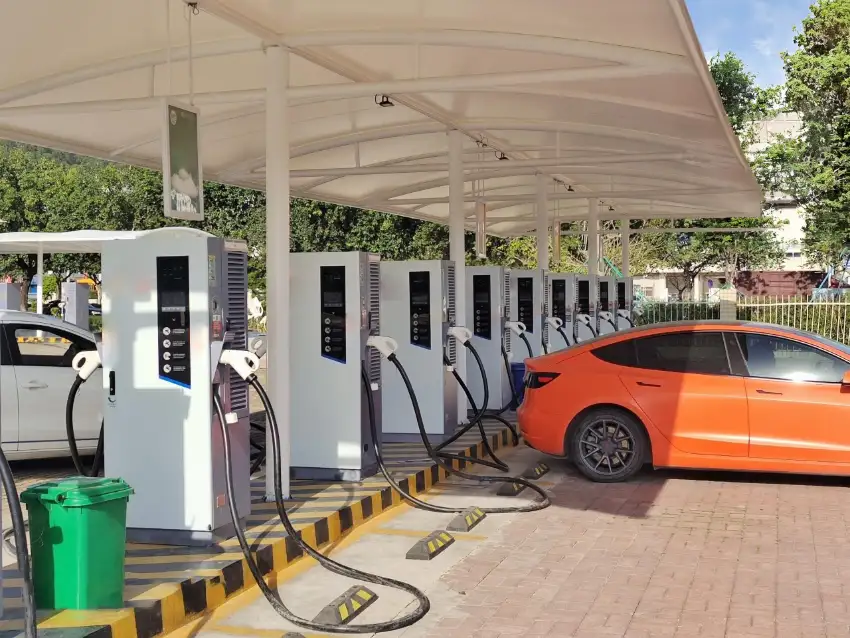
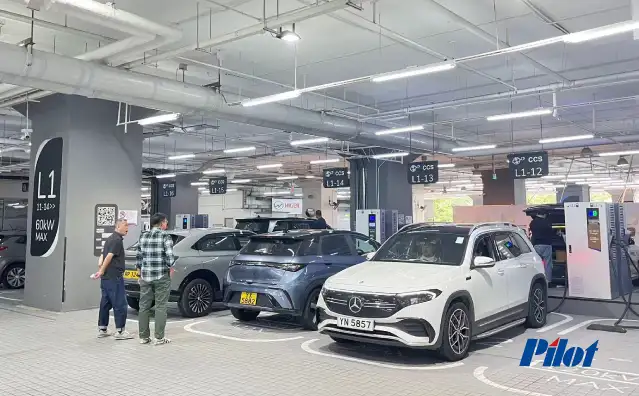
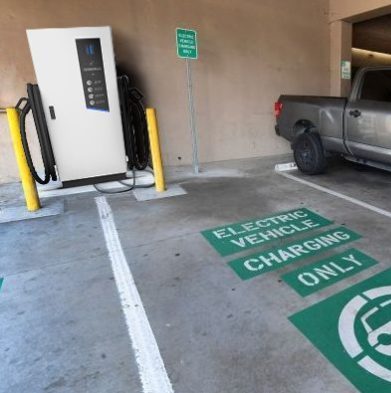
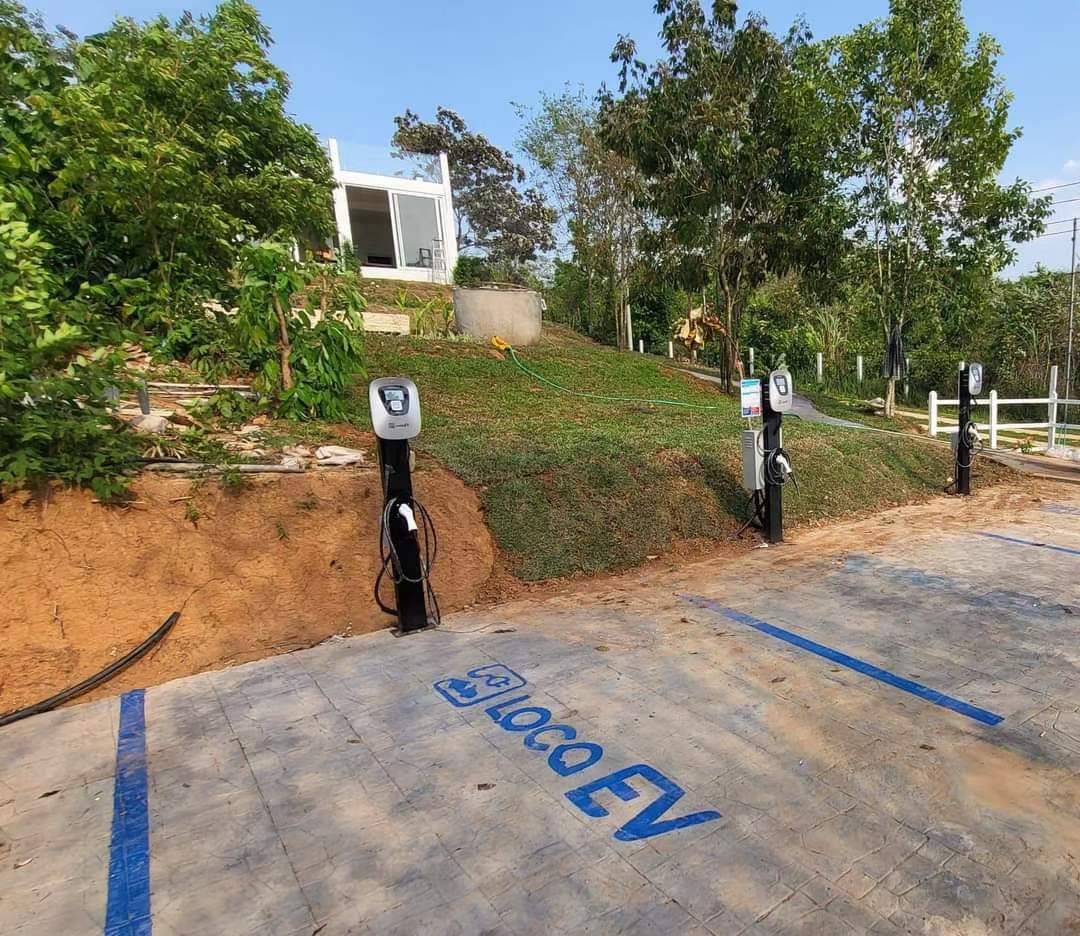
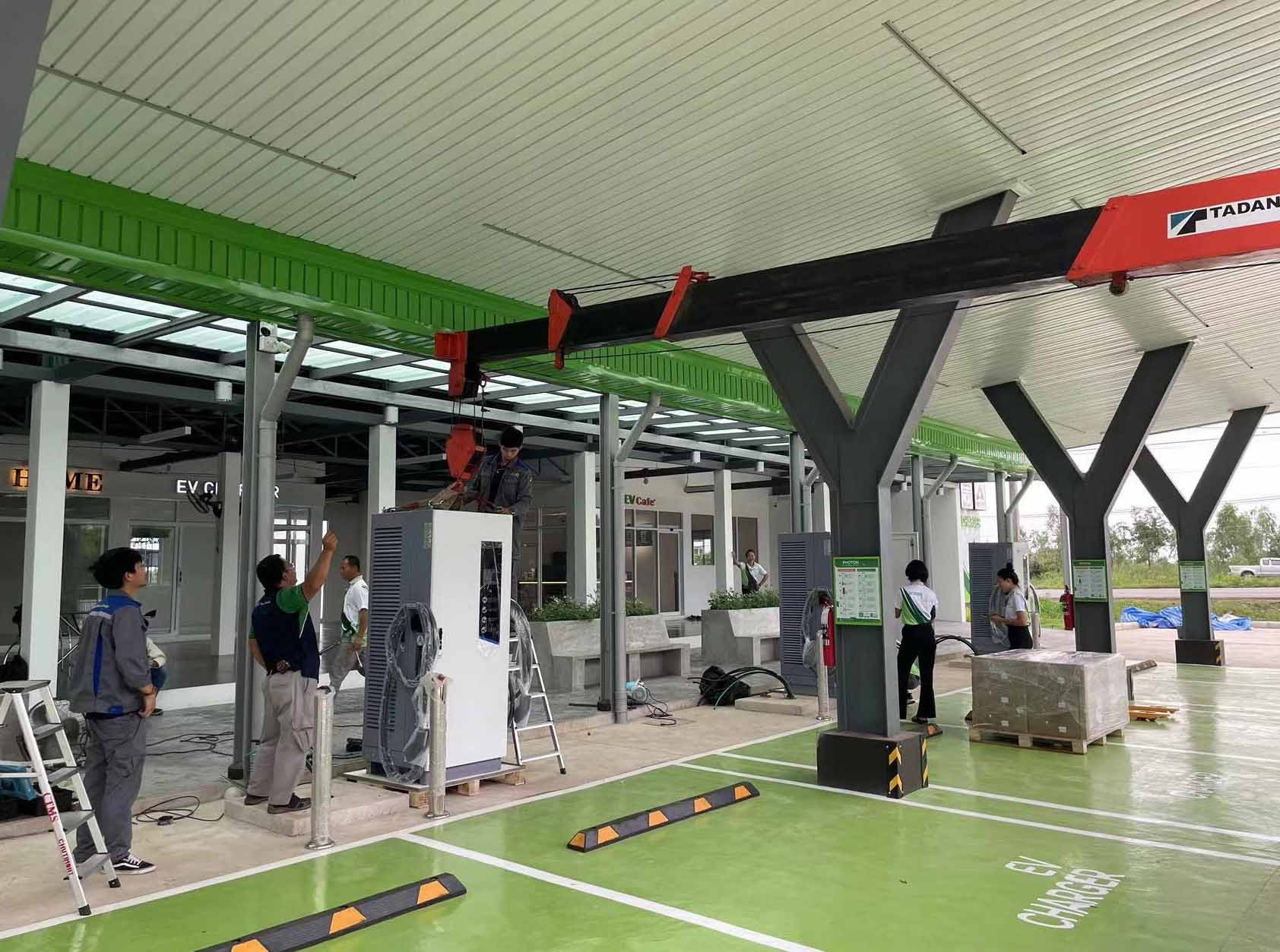
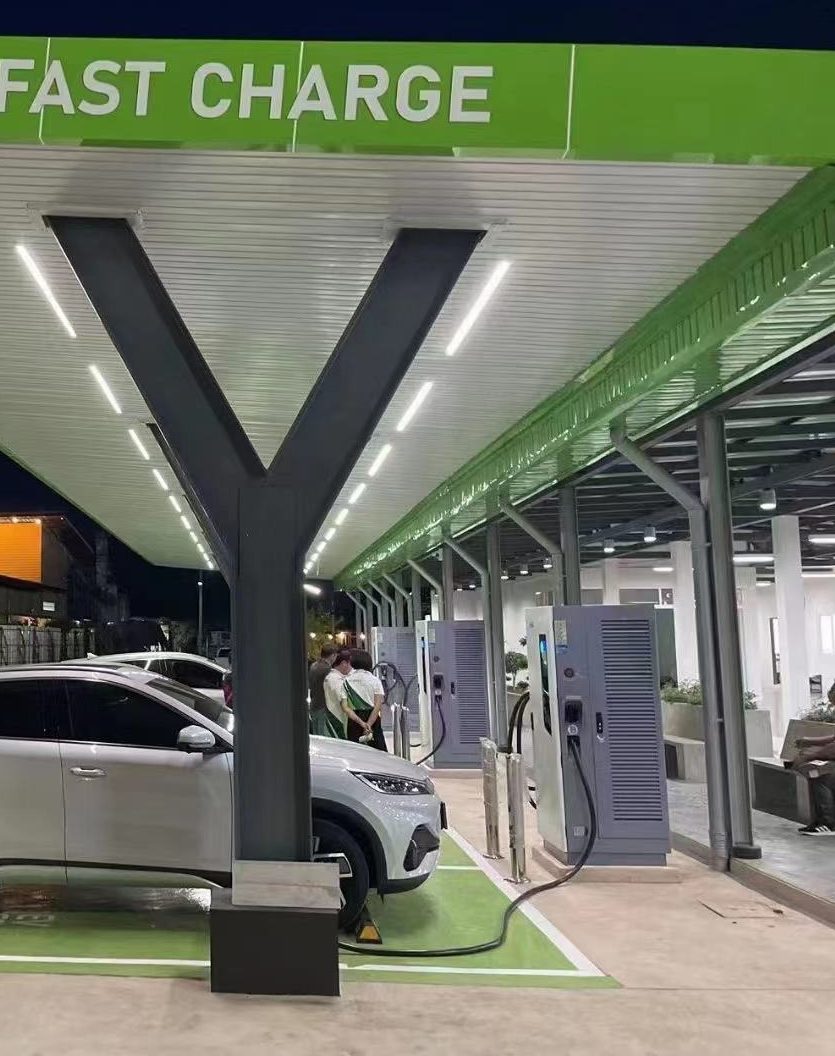
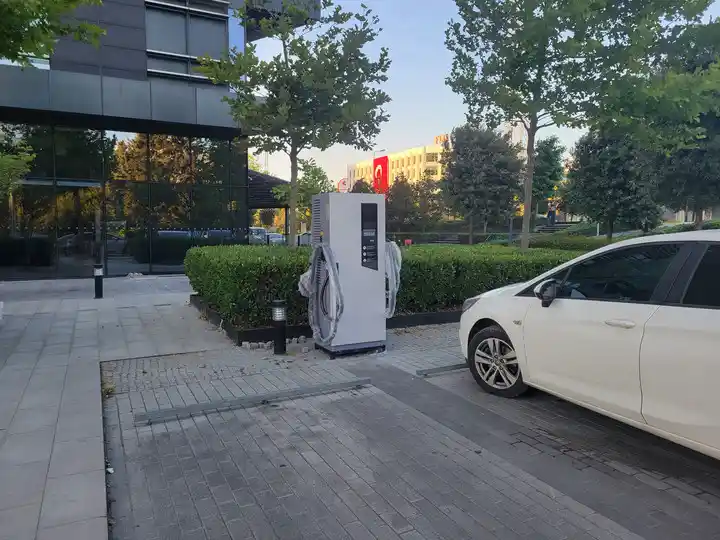
PEVC3107 series DC electric vehicle charger – the fast charging solution, designed for quick charging in both public and private locations, suitable for various scenario applications. With easy installation thanks to its ground-mounted design and pluggable power modules, this EV charger is incredibly flexible.

Charging Plug

Highlights

Connector

CCS1/ CCS2/ChAdeMO

Output Power

60kW-160kW

Communication

Ethernet/4G

Precision

Meter With 1% Accuracy

Protection level

IP54, IK10

Start Mode

RFID Card or APP

Mounting

Pole-mount

Charging protocol

OCPP 1.6J

Certificates

CE, RoHS

Share:

Product Description

Product Specifications

Specification

Parameters / Model PEVC3107E
Input
Power Supply 3P + N + PE
Rated Voltage 400 VAC ± 15 %
Frequency 50 / 60 Hz
THDi ≤ 5 %
Efficiency ≥ 95 %
Power Factor ≥ 0.99
Output
Connector Type CCS Combo 2 (opt. Combo 1)
Number of Output Ports 2
Output Voltage 150 – 1000 V DC
Max. Output Current 200 A DC
Output Power Rating 100 – 240 kW (Max)
Output Voltage Accuracy ≤ 0.5 %
Output Current Accuracy ≤ ± 0.5 %
General
Display 7‑inch HMI, touchscreen
Payment Method RFID Card, APP
Plug Cable Length 5 m
Network Connection Cellular (GSM/3G/4G)
LAN 10/100 Base‑T Ethernet
Protocol OCPP‑1.6J
Operating Noise Level ≤ 60 dBA
Protection Level IP54, IK10
Enclosure Galvanized steel
Place of Installation Indoor / Outdoor
Product Dimensions (W × D × H) 700 × 550 × 1800 mm
Package Dimensions (W × D × H) 950 × 720 × 1950 mm
Standards IEC 62196‑1 / ‑3, IEC 61851‑1 / ‑23 / ‑24
Environmental parameters
Operating Temperature ‑30 ℃ ~ +50 ℃
Storage Temperature ‑40 ℃ ~ +75 ℃
Altitude ≤ 2000 m
Humidity 5 % – 95 % RH, non‑condensing

Product Features

Compatible Charger Connectors

Supports widely used charger connectors, including CCS1, CCS2 and CHAdeMO.

Multi-directional Protection

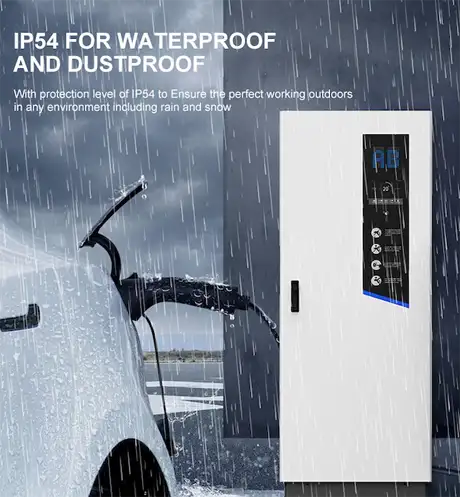
Multiple protection mechanisms, IP54 rating, dustproof and waterproof.

Smart Connectivity

Seamless integration with smart systems for efficient communication and control. Optional RFID/App etc. for your family identification and management.

User-Friendly Operation

Easy to install and operate, ensuring a hassle-free charging experience for home users: View charging data and status; Set up various charging configurations, charging current, monitoring mode, etc; Scheduled charging; Firmware update;

Tested and proven in the harshest of conditions.

Weather scenes
Customizable Branding

Scorching heat

Rainy Day

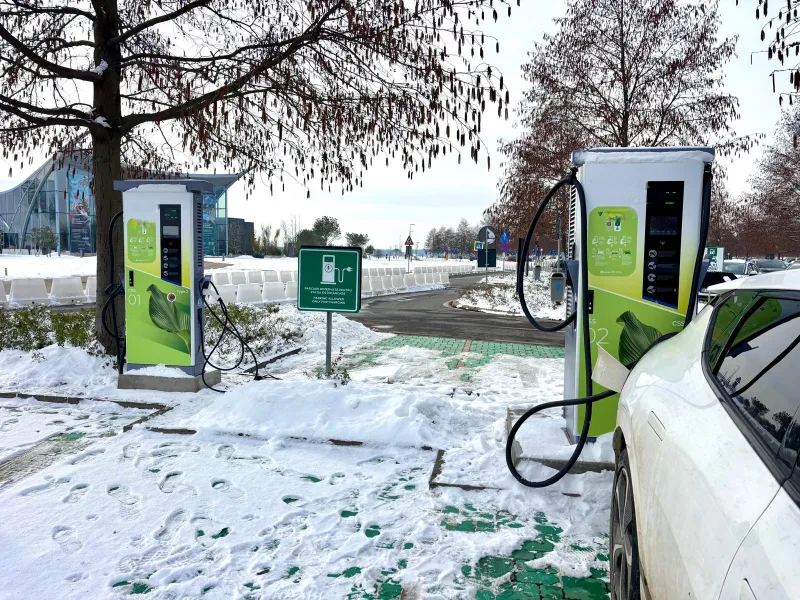
Snowy day

Profitable

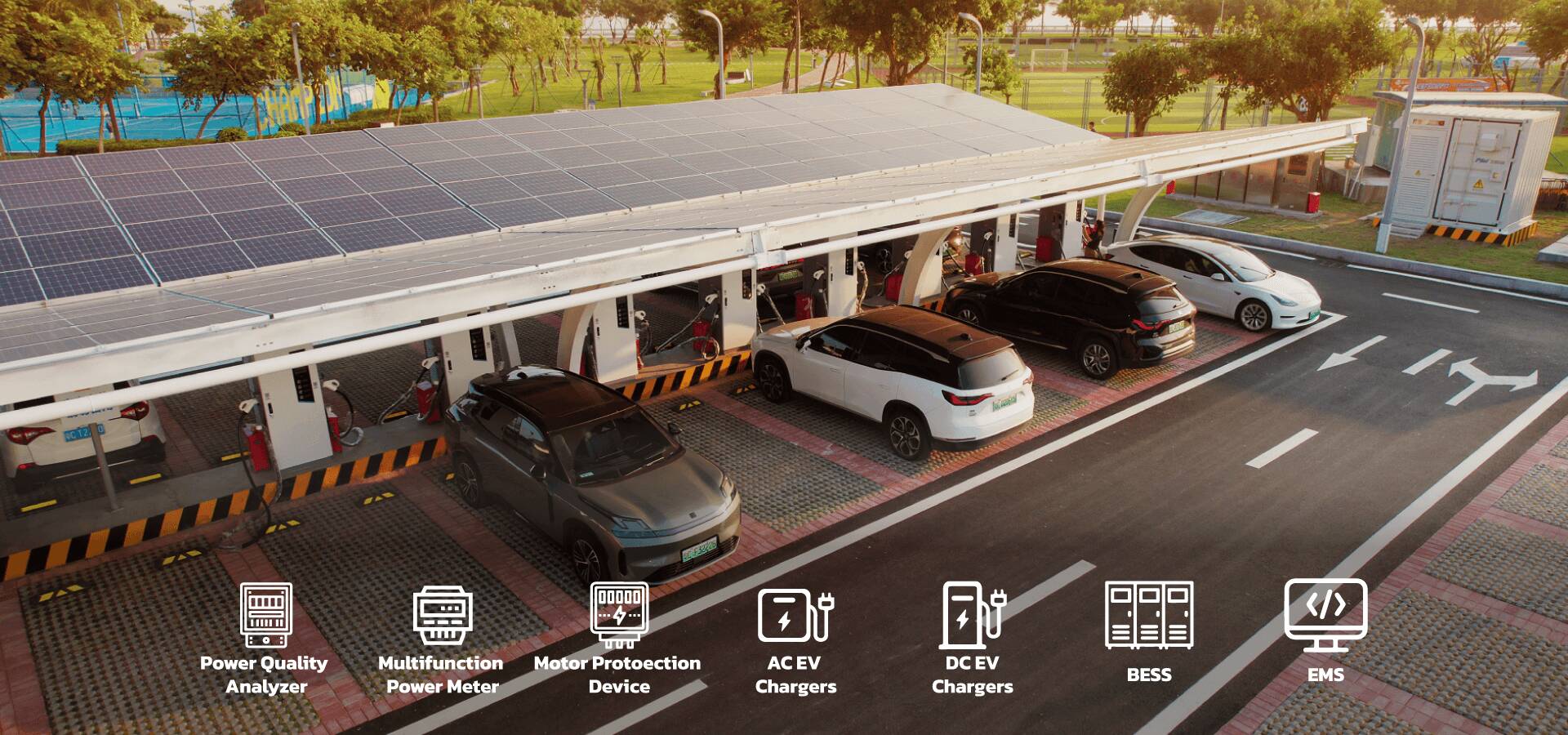
Drive revenue from EV chargers by setting charging fees or cross-selling other products and services while your customers charge. Offering EV charging in commercial spaces extends drivers’ dwell time, boosts spending, and engages more with your business.

Profitable

Drive revenue from EV chargers by setting charging fees or cross-selling other products and services while your customers charge. Offering EV charging in commercial spaces extends drivers’ dwell time, boosts spending, and engages more with your business.

Learn more from our product video

Shaping Business With Our 25,000+ Successful Projects

The products have been exported to over 40 countries and regions overseas.

Recommended Products

Pilot Advertising Display DC EV Charger PEVC3106E 60kW-240kW

PEVC3106E series DC electric vehicle charger- a high-power DC ultra-fast EV Charger. Certified by OCPP, TUV, and CE, and EMI compliant with Class B, 7 Inch LCD Display and 32-Inch HD Display.the PEVC3106E/U series offers a reliable and efficient charging experience for your EV.

Pilot Business Level 3 DC EV Charger PEVC3108 120kW-240kW

PEVC3108E series DC electric vehicle charger- a high-power DC ultra-fast EV Charger. Certified by OCPP, TUV, and CE, and EMI compliant with Class B, the PEVC3108E/U series offers a reliable and efficient charging experience for your EV.

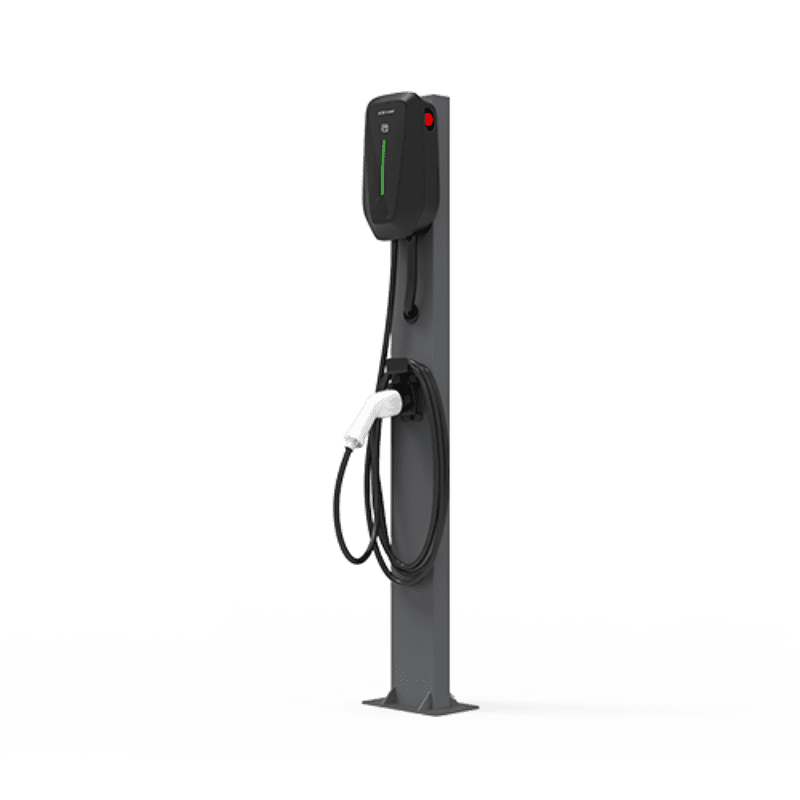
Pilot Home AC EV Charger PEVC2108E from 3kW to 22kW

PEVC2018E is a basic AC EV Charger ,which include wall-mounting and stand-mounting. Suitable for home and business indoor and outdoor uses. Elegant design and superior performance with all-round protection functions such as IP65 protection level, good dust proof and waterproof performance, Type A+6mA DC leakage protection, accurate measurement of charging data. It supports a variety of charging modes, like plug and play charging, swipe charging, APP charging, scan code charging. Compatible with Bluetooth/WiFi/Ethernet/4G and other communication functions.
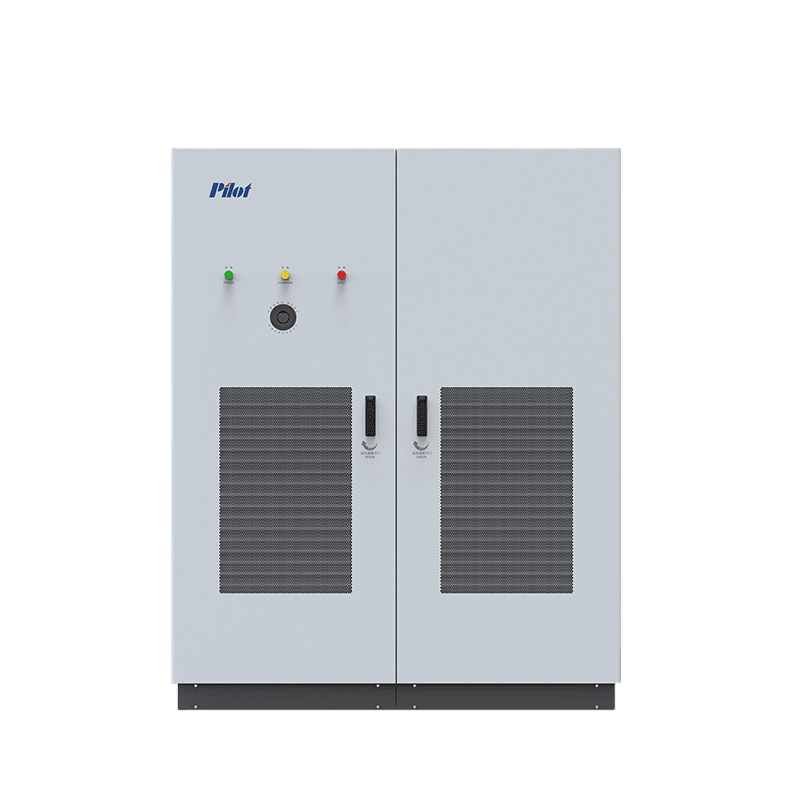
OEM Pilot Business Level 3 DC EV Charger PEVC3302 240kW/360kW/480kW Supplier, Quotes

PEVC3302 Cluster DC charging heap solution integrates power distribution, power transformation, and charging cabinet, with an external charging terminal. When charging electric vehicles, the system can flexibly and dynamically allocate output power according to different models and quantities.

Our sales and service teams are here to help. Get in touch using the form provided and we'll connect you with one of our experts.

How can we help?


    Frequently Asked Questions

    Why is at home EV charging preferred over public EV charging?

    Over 80% of EV charging happens at home. This is partly due to the fact that there has been a lack of public EV chargers in the past. As more EVSE are added to communities and places of work, this will likely change. However, many EV owners will still likely prefer the convenience, control and cost savings of charging at home

    What are my public EV charging options?

    Public EV charging stations will either be Level 2 or Level 3 DC Fast Chargers (DCFC). Level 2 EV chargers supply alternating current (AC) to the vehicle’s on-board charger which converts the AC power to direct current (DC) to charge the battery. On the contrary, DC Fast Chargers bypass the vehicle’s on-board charger and supply DC power directly to the EV battery.

    Does DC fast charging damage the EV battery?

    Excessive DC fast charging can negatively impact EV battery performance and durability. Compared to standard charging, eight years of fast charging would take approximately 10% off of the EV battery life. While DCFC is convenient and at times absolutely necessary, this method of charging should be utilized only when essential.

    Can I use any public EV charger?

    If charging with Level 2, you can use any public EV charger as they all use or have an adaptor for a standard SAE J1772 connector. Level 3 DC Fast Chargers typically have either a CHAdeMO or CCS connector - these connectors are incompatible. However, a lot of EVs have a charging port for each. Tesla used to have a third connection type for Level 3 charging, but Tesla superchargers are now compatible with other vehicle models. To be safe, make sure you know your EV connector (all EVs except Nissan and Mitsubishi should use CCS).

    How can I find a public EV charger?

    Finding a public EV charger is easier than ever. Almost all public EV charging companies have a network, accessible through an app, to display charging station locations. With the advancement of interoperability, charging networks also exchange information with one another to display chargers from multiple companies. This Open Charge Point Protocol (OCPP) simplifies the user experience by eliminating the need to download multiple apps. Public EV chargers are also visible on some navigation softwares such as Google Maps.

    How long does public EV charging take?

    Public EV charging time is dependent on the type of charger, among other factors. Level 2 EV chargers, more commonly found in local communities and places of work, can add around 15 to 30 miles of range per hour. DC Fast Chargers, more common along highways, can charge your EV in as little as 30 minutes. No matter how you choose to charge your EV away from home, expect the process to take longer than filling a gas tank

    How much does public EV charging cost?

    This is dependent on what type of charger you use, when you charge and what pricing model is in effect. Public EV pricing models include monthly subscriptions, pay as you go or some combination of both. While there are variables, you can assume that using a DC Fast Charger will cost around $15-30 for a full charge. Already less expensive than filling up with gas, EV charging will only get cheaper as you decrease your charging level to Level 2 or Level 1.

    Is my EV battery going to run out before I find a charger?

    If you’ve never run out of gas, you’ll never run out of electricity. Similar to your old gas-powered vehicle, EVs will give you a warning when your battery is low and many will display EV charging stations in the area. If your battery level continues to decline, your EV will take precautions such as increasing regenerative braking to convert more kinetic energy into usable energy therefore extending battery life.

    Can I take my EV on a road trip?

    Yes! With more on the way, there is already EVSE in place to meet your road trip needs. If you plan ahead and pinpoint the EV chargers along your route, you’ll have no problem adding your EV to your adventure. However, just be mindful that EV charging takes longer than filling up with gas, so try to plan your EV charging during meals and other necessary stops.

    Are there any public EV charging best practices I should follow?

    Yes! One key tip for EV charging is to try to maintain your EV battery between 25% and 75%. Also, remember there are many factors that affect charging speed such as charging rate of the vehicle, battery size, battery fullness, and environmental elements such as temperature. Read our EV Charging Guide for a deep dive into EV charging best practices.