

Products
Fast, Reliable, Everywhere


Solutions
Efficient, Innovative EV Charging Solutions.
News
We are committed to the innovation and application of EV charging.





In Hangzhou, a city known for connecting innovation with industry, our leadership team joined distinguished delegates at the Pakistan–China B2B Investment Conference—a high-level gathering focused on ICT & telecom, Battery Energy Storage Systems (BESS), and agriculture. More than a conference agenda, the event reflected a shared direction: turning long-term friendship into measurable collaboration, and turning dialogue into projects that can be delivered on the ground.
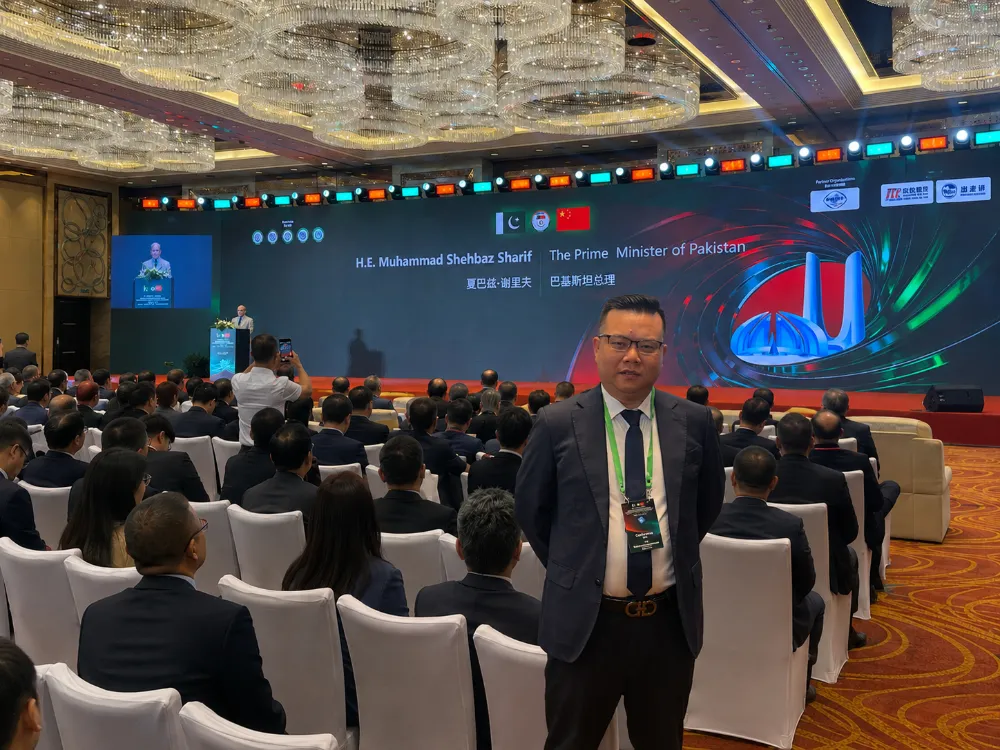
This year’s summit carried special weight. Pakistan’s Prime Minister, H.E. Muhammad Shehbaz Sharif, arrived in Hangzhou and is scheduled to address the conference, underscoring the strategic importance both countries place on cooperation. Being present at the venue—close to national-level decision-making—reminded us that meaningful partnerships are built not only by technology, but by trust, consistency, and shared execution.
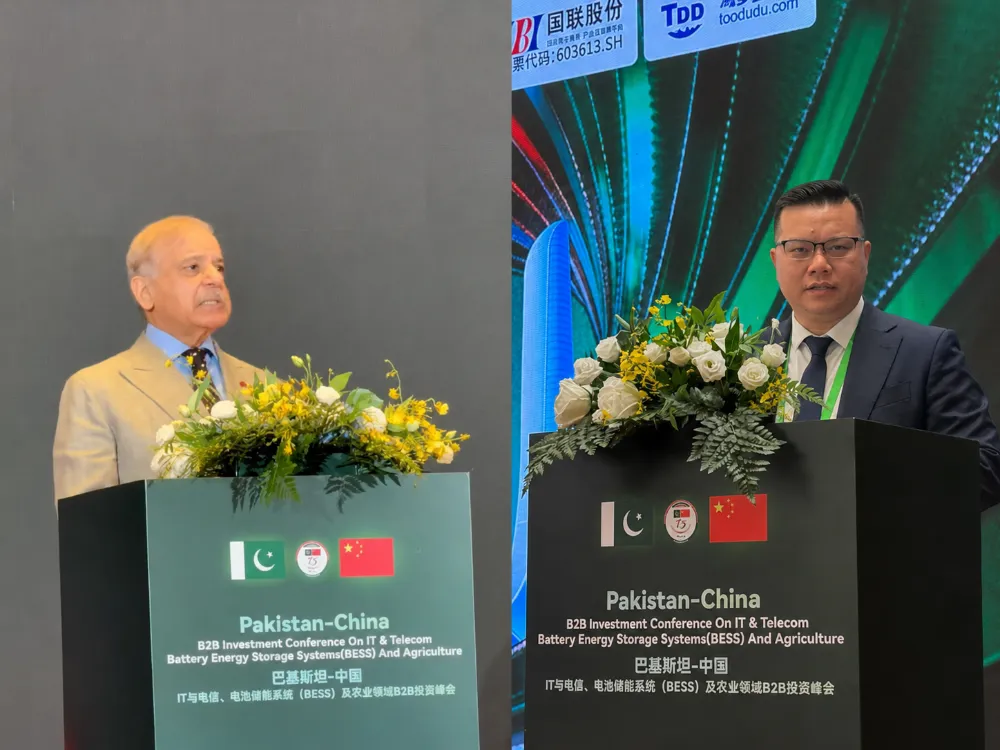
What made the Hangzhou summit stand out was its practicality. Conversations were not abstract. They centered on real needs: reliable infrastructure, investment-ready solutions, and partnerships capable of moving from concept to delivery.
For sectors like energy storage and power infrastructure, the mission is clear. Grid stability, renewable integration, and resilient energy supply require solutions that are safe, scalable, and maintainable—especially in fast-growing markets. BESS is no longer a “future option”; it is becoming a foundation for modern energy systems, enabling everything from industrial continuity to cleaner mobility.
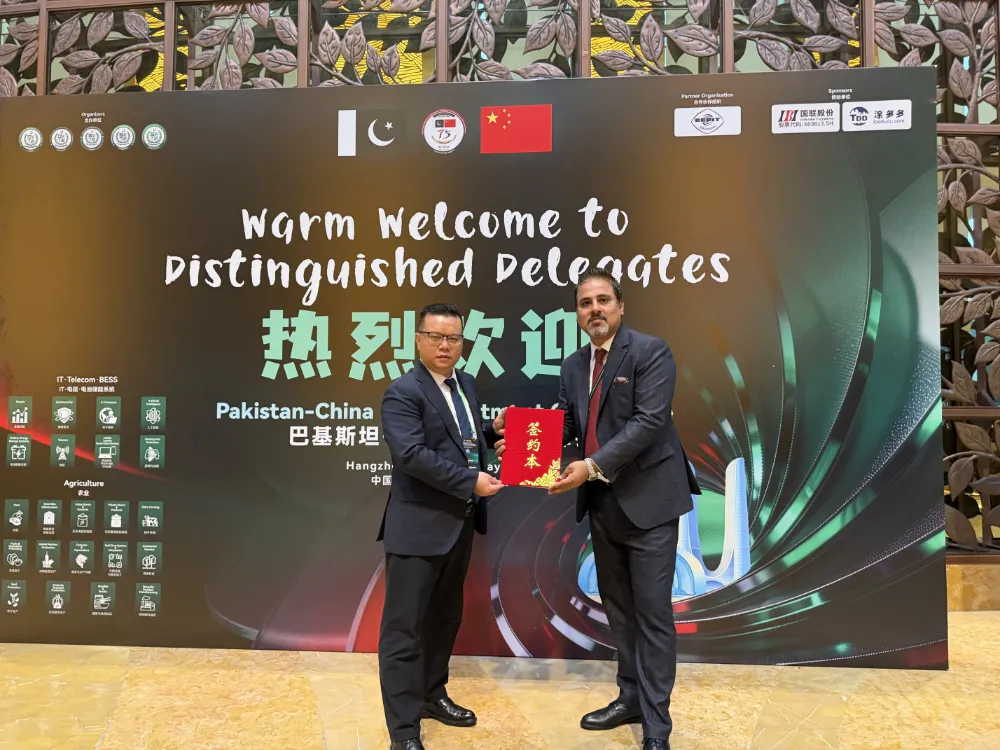
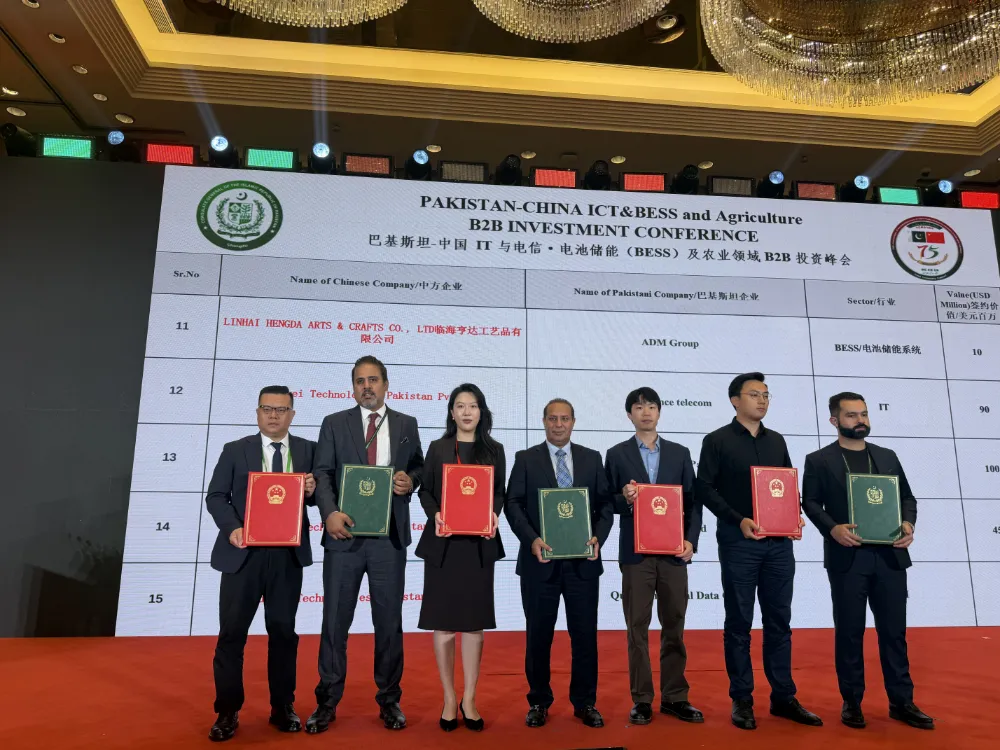
One of the most meaningful moments of the summit was the signing of our cooperation agreement with Pakistani partners. The handshake and the signed documents represent more than a ceremony—they represent a commitment:
In international cooperation, signatures matter—but what matters more is what happens next. A strong agreement is the starting point for shared standards, clearer timelines, and stronger alignment between teams, resources, and expectations.
China–Pakistan cooperation has always been defined by continuity. Today, that continuity is moving into new domains—digital infrastructure, energy modernization, and clean technologies. In these fields, success depends on more than product capability. It depends on local adaptation, service readiness, and the ability to support partners across the full project lifecycle.
Our focus is clear:
The Hangzhou summit concluded with strong outcomes, meaningful conversations, and a shared sense of momentum. After signing our cooperation agreement, both teams stood with confidence—moving forward with the same ambition: to reach the next peak together.
We believe the future of cross-border collaboration belongs to companies that can combine vision with delivery. This summit was an important step in that direction—and we look forward to transforming this milestone into long-term results.