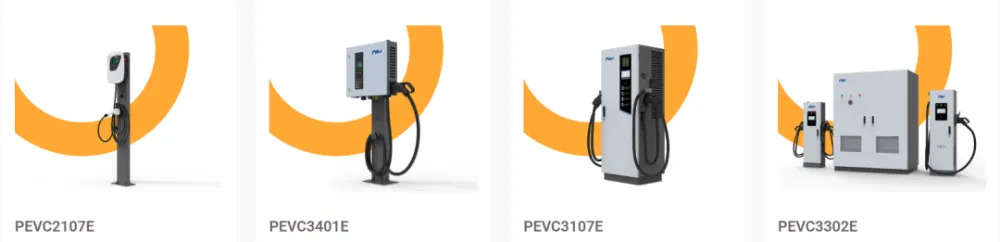


Products
Fast, Reliable, Everywhere

Solutions
Efficient, Innovative EV Charging Solutions.
News
We are committed to the innovation and application of EV charging.





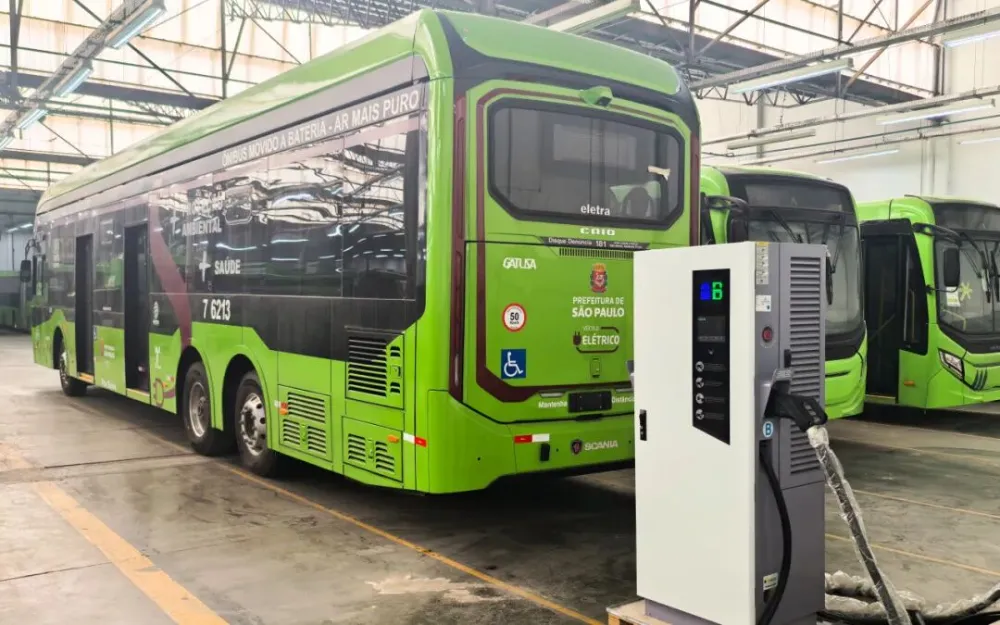 What we bring to the region goes beyond EV chargers. It is a comprehensive charging solution designed to accommodate South America’s diverse charging standards, support large-scale electric bus operations, and work seamlessly with renewable energy.
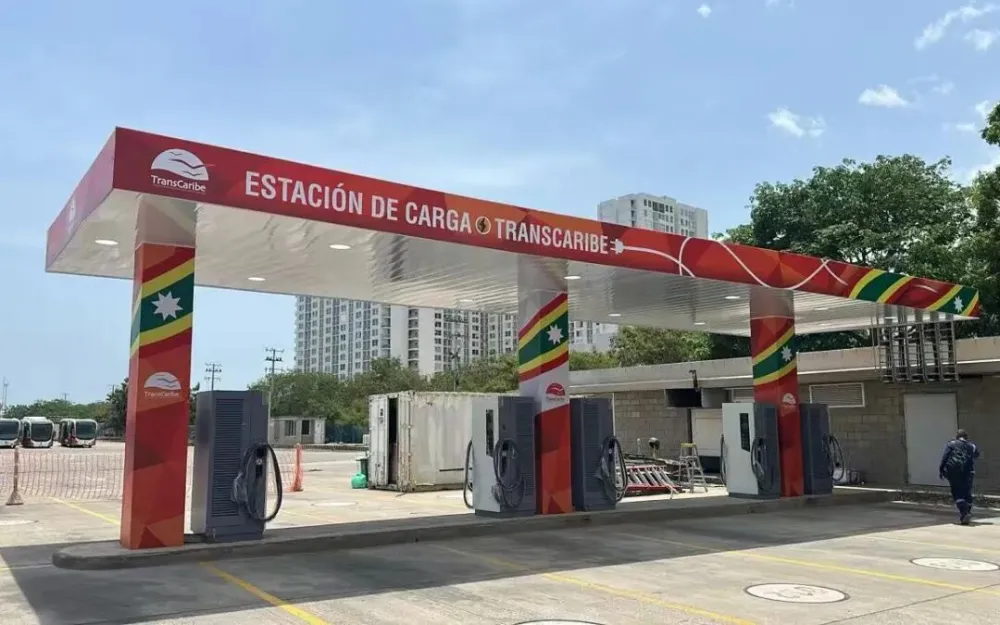 For charging operators, one of the biggest concerns is not whether EVs will come to charge, but whether the infrastructure installed today will still be compatible with the next generation of vehicles entering the market.
Pilot Technology addresses this challenge with strong multi-standard compatibility.
For charging operators, one of the biggest concerns is not whether EVs will come to charge, but whether the infrastructure installed today will still be compatible with the next generation of vehicles entering the market.
Pilot Technology addresses this challenge with strong multi-standard compatibility.
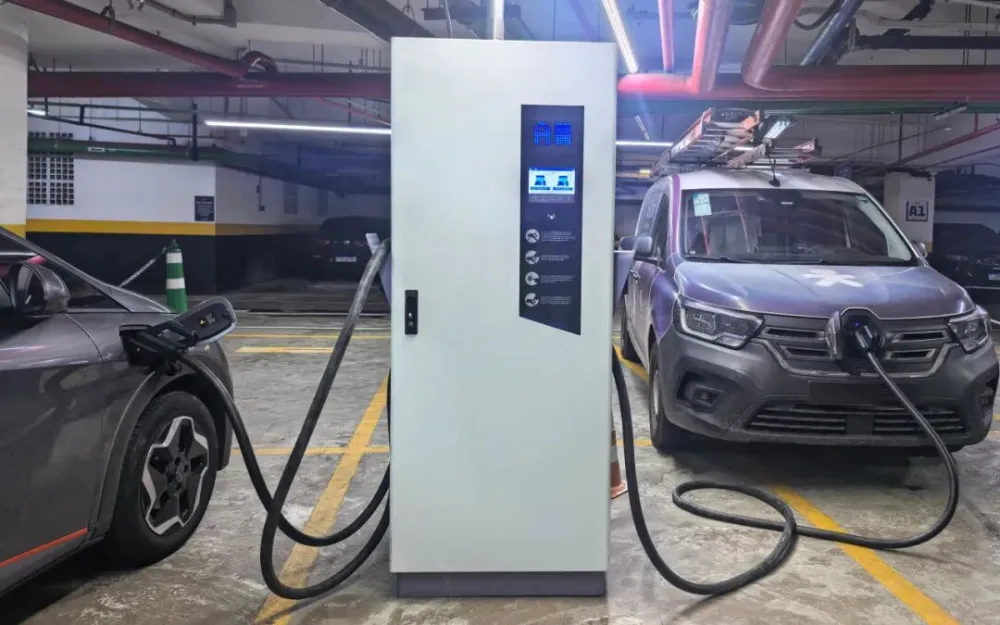
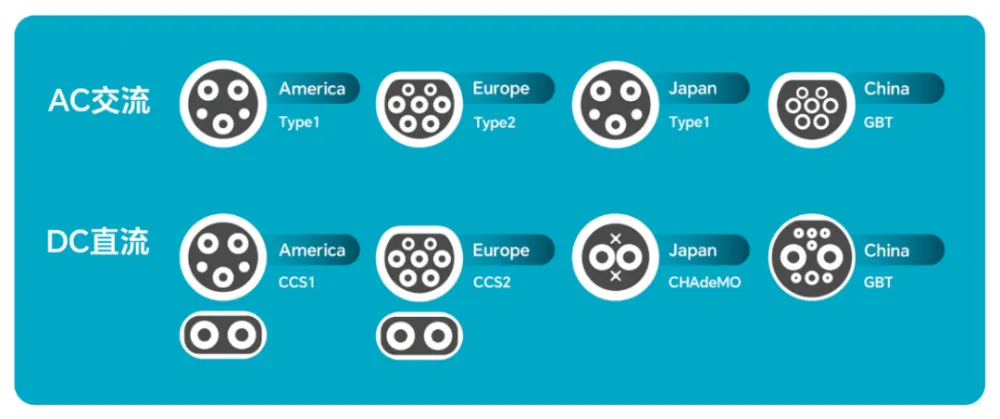 A single dual-connector chargingunit can be configured to support two different standards simultaneously—for example:
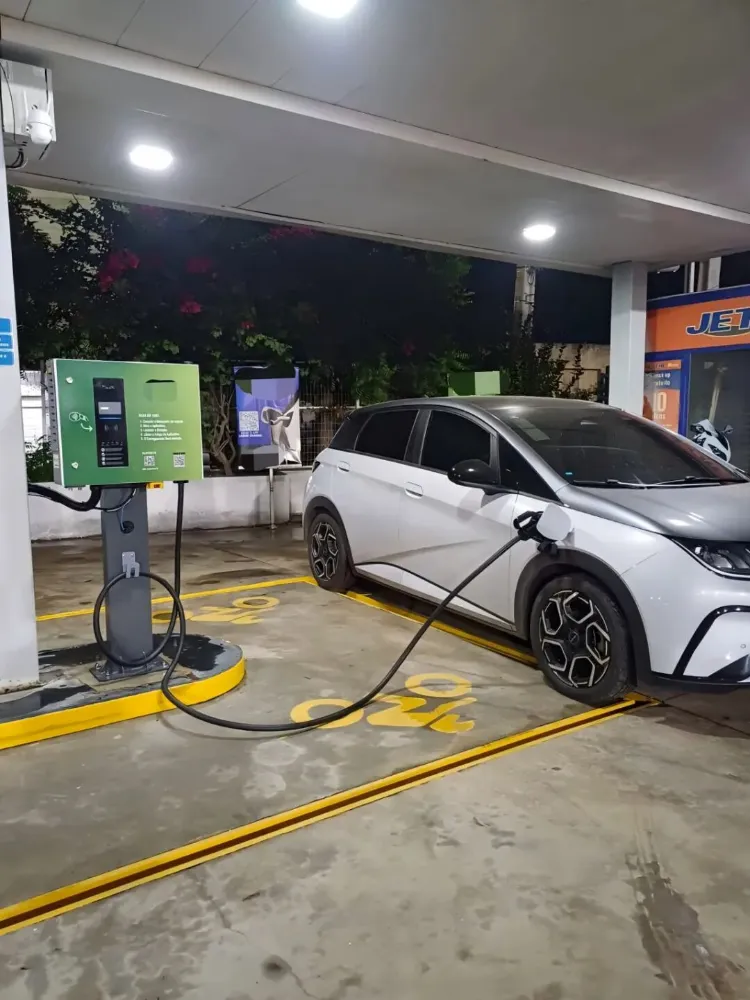 This means every charging station can be better prepared for increasingly diverse vehicle fleets while helping operators avoid repeated investment caused by changing or uncertain charging standards.
With extensive experience in the South American market, Pilot understands how local charging standards continue to evolve—and designs infrastructure with sufficient flexibility for future expansion.
This means every charging station can be better prepared for increasingly diverse vehicle fleets while helping operators avoid repeated investment caused by changing or uncertain charging standards.
With extensive experience in the South American market, Pilot understands how local charging standards continue to evolve—and designs infrastructure with sufficient flexibility for future expansion.
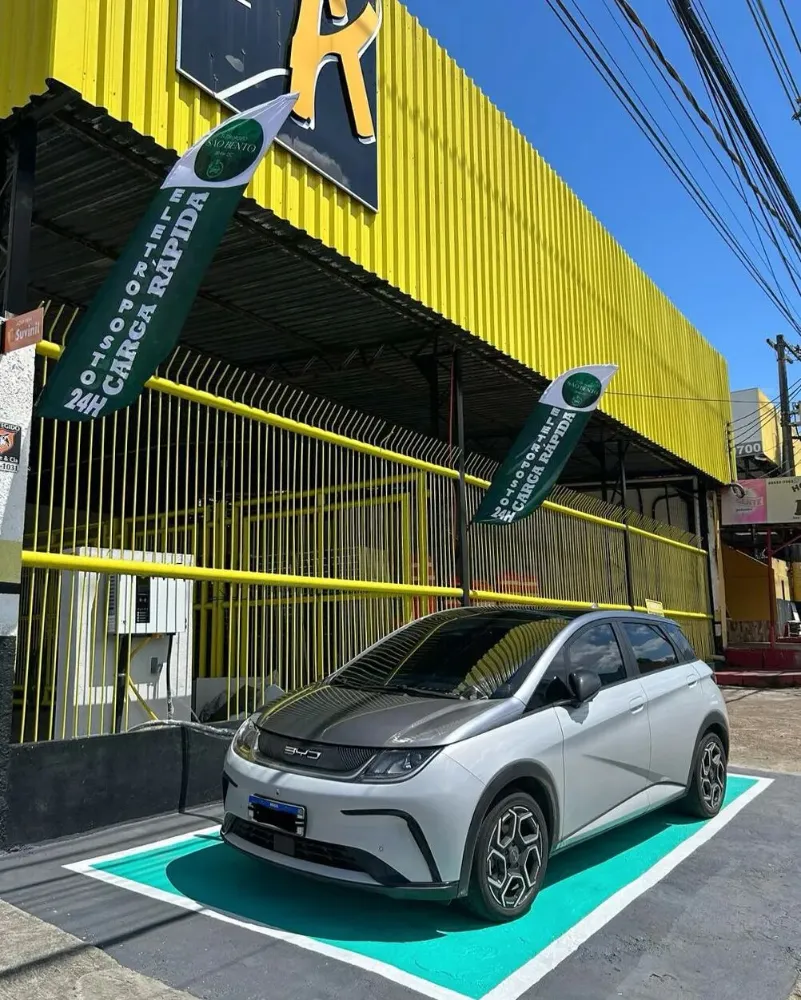
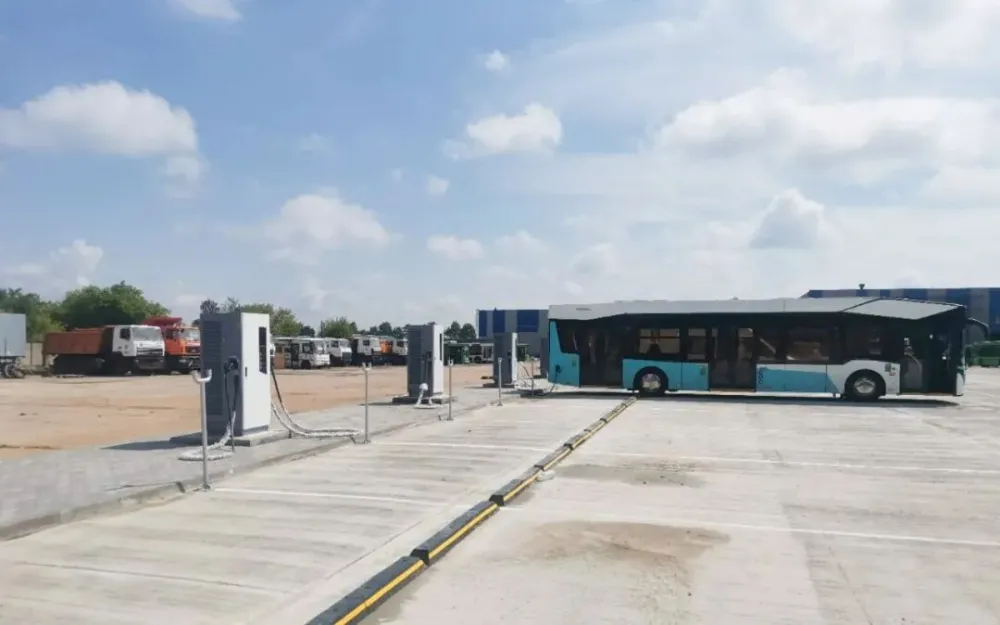 This means that one of the region’s most important charging requirements is not scattered low-power charging for passenger vehicles.
Instead, cities increasingly need centralized, high-power and highly reliable charging infrastructure for electric bus fleets.
Pilot Technology’s charging power cabinet + split-type DC charging dispenser solution is designed precisely for these applications.
A megawatt-scale power pool can support the centralized charging requirements of large electric bus fleets, while intelligent dynamic power allocation adjusts output according to real-time demand.
This enables multiple buses to charge simultaneously during peak operating periods while helping reduce sudden power demand on the local grid.
This means that one of the region’s most important charging requirements is not scattered low-power charging for passenger vehicles.
Instead, cities increasingly need centralized, high-power and highly reliable charging infrastructure for electric bus fleets.
Pilot Technology’s charging power cabinet + split-type DC charging dispenser solution is designed precisely for these applications.
A megawatt-scale power pool can support the centralized charging requirements of large electric bus fleets, while intelligent dynamic power allocation adjusts output according to real-time demand.
This enables multiple buses to charge simultaneously during peak operating periods while helping reduce sudden power demand on the local grid.
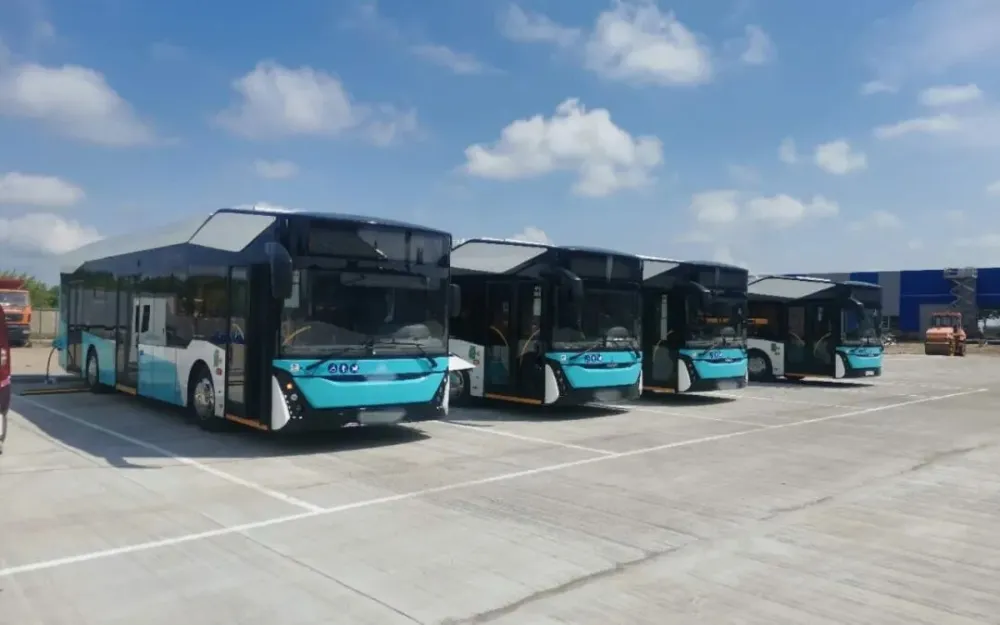 Split-type charging dispensers can be flexibly deployed according to different parking layouts, while centralized power architecture helps:
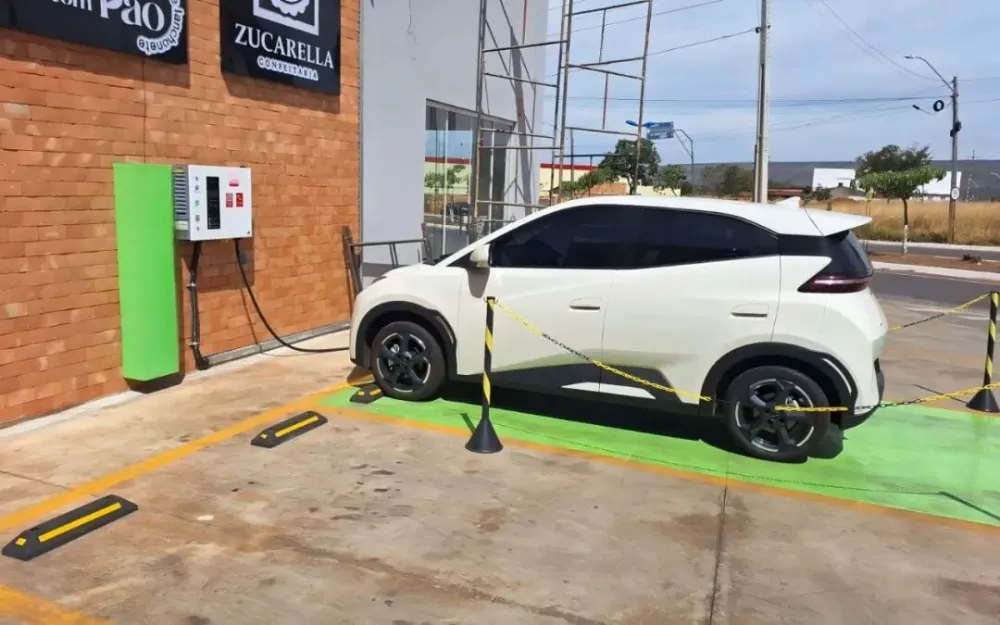
 South America has one of the cleanest electricity mixes in the world.
In Brazil, more than 80% of electricity is generated from renewable sources, with hydropower playing a dominant role. Uruguay has achieved an electricity system powered almost entirely by renewable energy, while EV adoption continues to increase.
In this region, EV charging is already inherently low-carbon.
South America has one of the cleanest electricity mixes in the world.
In Brazil, more than 80% of electricity is generated from renewable sources, with hydropower playing a dominant role. Uruguay has achieved an electricity system powered almost entirely by renewable energy, while EV adoption continues to increase.
In this region, EV charging is already inherently low-carbon.
 Pilot Technology aims to take that environmental advantage even further.
Our EV charging solutions support:
Pilot Technology aims to take that environmental advantage even further.
Our EV charging solutions support:
 The result is a smarter energy ecosystem in which more clean electricity is efficiently delivered directly to electric vehicles.
Pilot Technology is not simply exporting charging equipment to South America.
We are adapting our technologies to the region’s energy structure so that EV charging infrastructure becomes a natural part of South America’s broader transition toward cleaner energy and transportation.
The result is a smarter energy ecosystem in which more clean electricity is efficiently delivered directly to electric vehicles.
Pilot Technology is not simply exporting charging equipment to South America.
We are adapting our technologies to the region’s energy structure so that EV charging infrastructure becomes a natural part of South America’s broader transition toward cleaner energy and transportation.
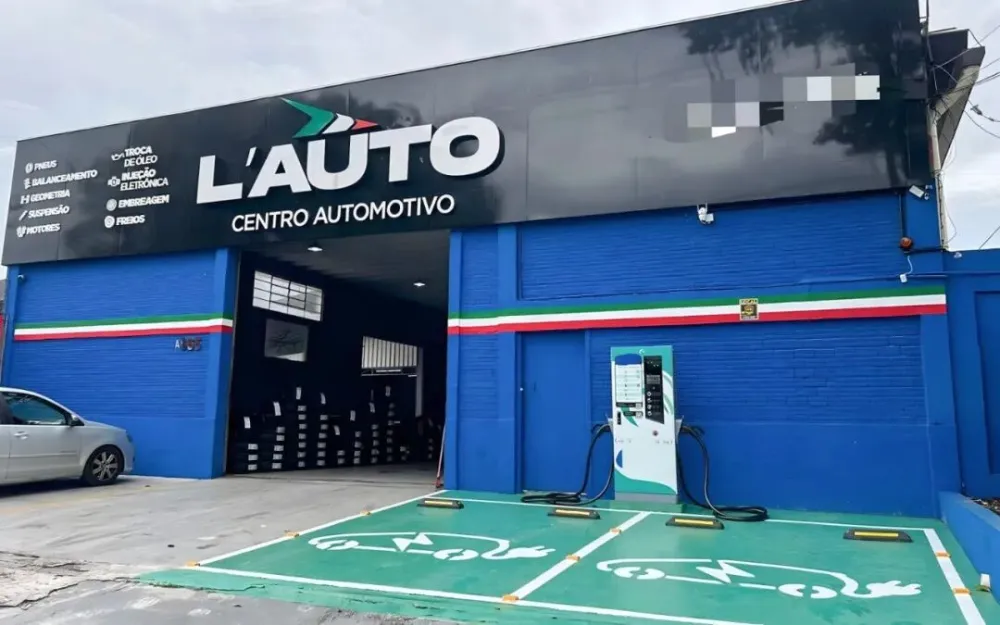 We are not here for the short term.
We are here to grow together with our partners.
Pilot Technology looks forward to working with customers and partners across South America to:
Help electric buses travel farther.
Make renewable-powered mobility more reliable.
And turn every charging session into another step toward a sustainable future.
Pilot Technology — Powering Smarter, Greener Mobility.
We are not here for the short term.
We are here to grow together with our partners.
Pilot Technology looks forward to working with customers and partners across South America to:
Help electric buses travel farther.
Make renewable-powered mobility more reliable.
And turn every charging session into another step toward a sustainable future.
Pilot Technology — Powering Smarter, Greener Mobility.